Designing a calmer first impression
Before a visitor notices cornicing or kitchen joinery, they experience the threshold, the acoustics of the hall, and the quality of natural light. How small, thoughtful adjustments shape a viewing.
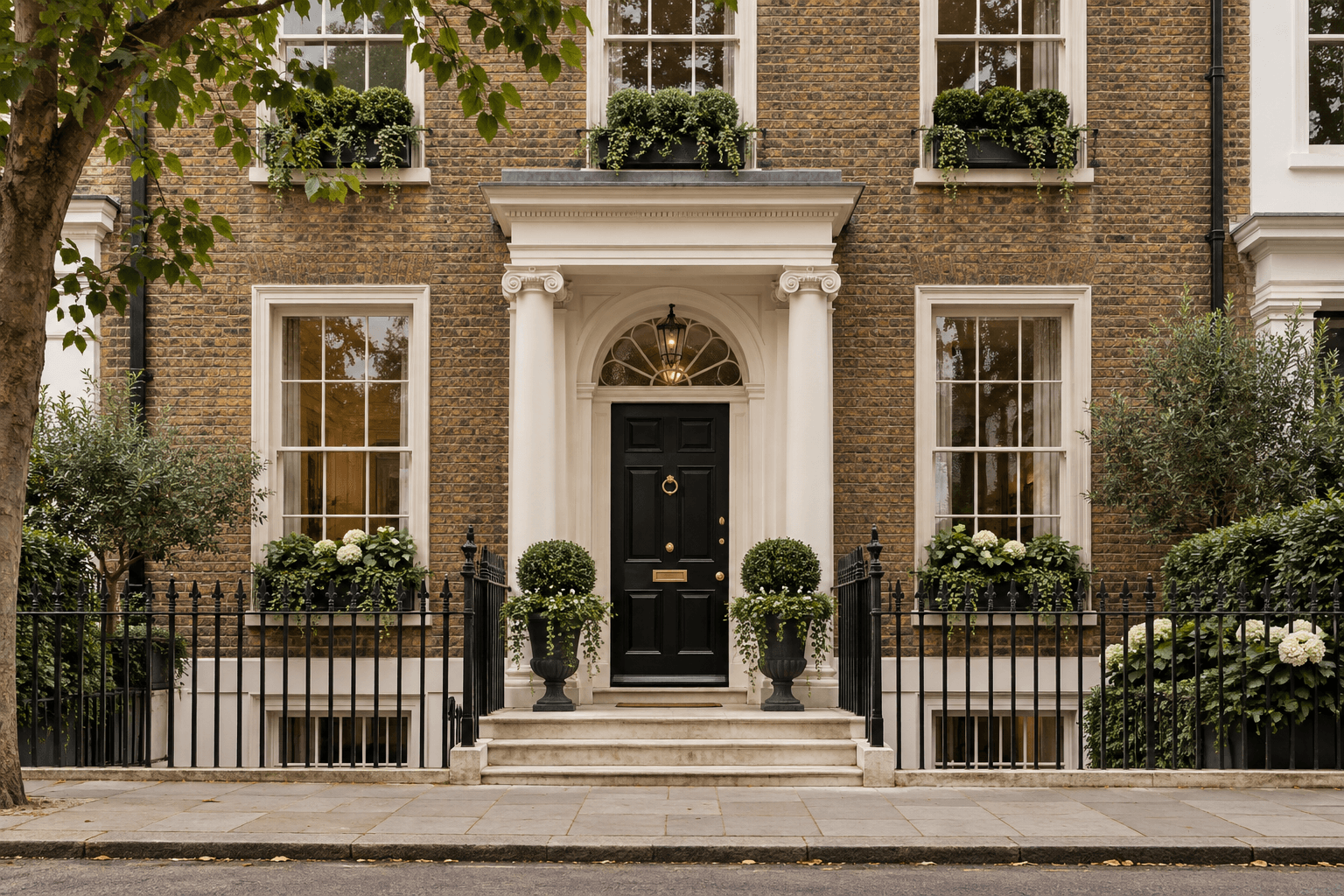
The threshold and the approach
When someone arrives to view a home, their sense of the property begins several paces before the front door. The sound of the gate latch, the sweep of the front steps, and the condition of the ironwork establish an immediate expectation of how the building has been cared for.
Preparing a home for sale rarely calls for dramatic renovation. More often, it rewards quiet subtraction: trimming overgrown foliage so the front windows receive full daylight, polishing brass hardware, and clearing the entrance hall so the eye travels naturally toward the garden at the rear.
Letting natural daylight lead
London’s period houses were designed around vertical proportion. Tall sash windows bounce light high into the room when window reveals and sills are kept clear. Heavy pelmets or half-drawn blinds can inadvertently compress a generous drawing room.
Before photography or accompanied viewings, we walk each floor at different hours of the day to identify when the primary rooms feel most balanced—scheduling visits to match the orientation of the street.
Acoustics, warmth, and unhurried pacing
A calm viewing allows buyers to pause in a room and imagine their own books, table, and morning routine within it. Soft underfoot textures, a comfortable ambient temperature, and unhurried 30-minute appointments give visitors the space to notice architectural detail rather than rushing past it.
“Good advice begins with listening carefully to how people actually use their space from morning to evening.”
More from the Journal
Choosing a neighbourhood around your everyday life
Postcode boundaries tell only part of the story. Why walking the weekday morning route—from green space to bakeries and transport—reveals whether an area truly fits.
Preparing for a confident viewing
A practical guide to what to look for on a first and second property visit—from orientation and storage to tenure details and neighbourhood context.