Preparing for a confident viewing
A practical guide to what to look for on a first and second property visit—from orientation and storage to tenure details and neighbourhood context.
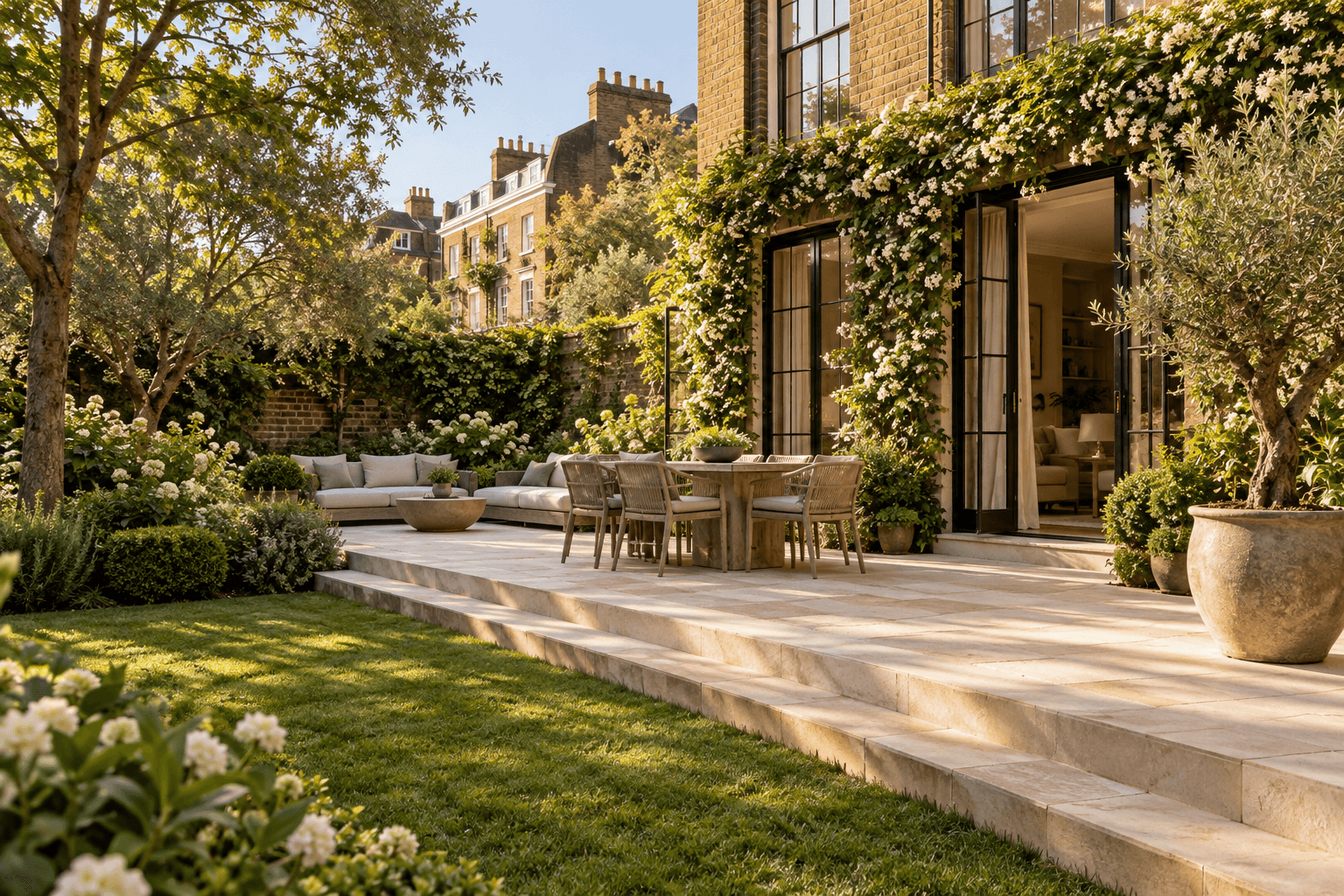
First visit: orientation, light, and volume
A first viewing is best spent understanding things that cannot be easily altered: ceiling height, window orientation, the relationship between the kitchen and outside space, and the outlook from principal rooms.
Take a moment to stand away from the doorway in each room and look back toward the hall. Good layouts feel intuitive to move through and offer natural separation between quiet bedrooms and social living areas.
Questions worth asking early
Whether buying or renting, clarity early on prevents surprises later. For sales, ask about tenure structure, conservation status, recent roof or window works, and the seller’s onward timeline. For lettings, confirm what furnishings remain, how maintenance is managed, and any building rules regarding pets or cycle storage.
Making the most of a second viewing
A second visit is the ideal time to measure key wall runs, test water pressure, inspect storage cupboards, and walk from the front door to the nearest station at your normal pace.
“A well-managed tenancy relies on clear expectations before move-in and a direct line of communication afterwards.”
More from the Journal
Designing a calmer first impression
Before a visitor notices cornicing or kitchen joinery, they experience the threshold, the acoustics of the hall, and the quality of natural light. How small, thoughtful adjustments shape a viewing.
Choosing a neighbourhood around your everyday life
Postcode boundaries tell only part of the story. Why walking the weekday morning route—from green space to bakeries and transport—reveals whether an area truly fits.